
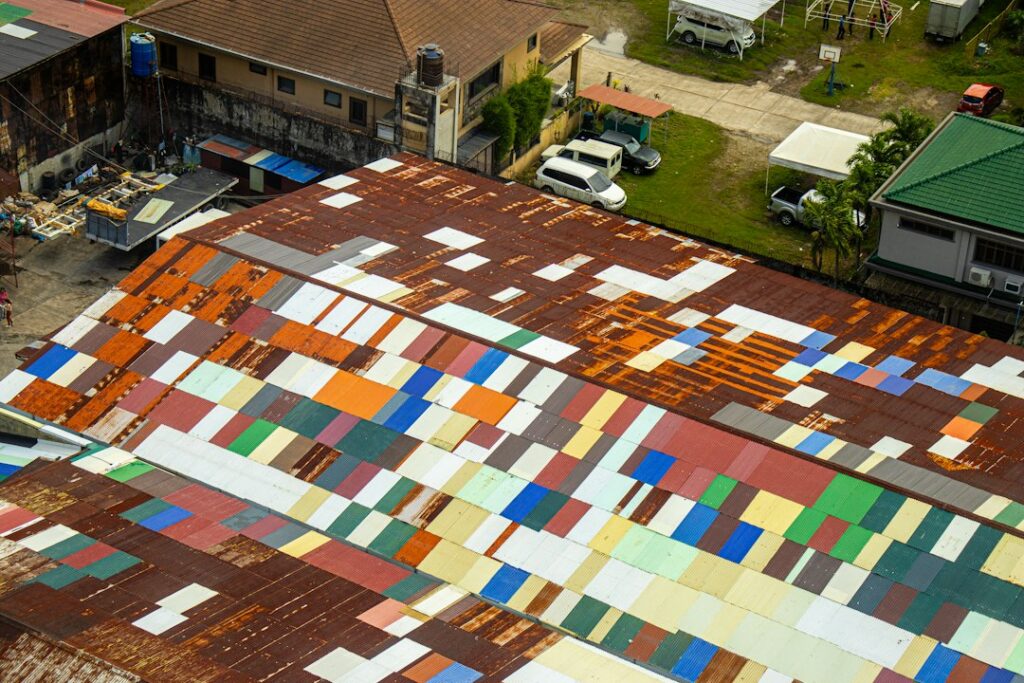
Replacing one or two damaged shingles sounds simple, but a good match involves more than choosing a similar color. The replacement should also match the existing roof’s material, profile, size, exposure, and fastening layout. Even then, an older roof may show a visible difference because shingles change with sunlight, moisture, snow, temperature swings, and normal weathering.
What should be matched first?
The most important match is the shingle type and profile. Color matters, but a shingle with the wrong shape or dimensions may not lock together correctly or shed water as intended.
Identify these characteristics before selecting a replacement:
- Material: asphalt, wood, composite, slate, or another roofing product
- Style: three-tab, architectural, designer, or specialty shingle
- Width and length
- Thickness and raised profile
- Exposure, meaning the portion visible after installation
- Nail-line location and fastening pattern
- Color blend, including the individual granules that create the overall appearance
For asphalt roofs, a three-tab shingle should generally be replaced with another three-tab shingle of the same approximate dimensions. An architectural shingle should not be substituted with a flat three-tab product simply because the color looks close.
A mismatch in profile can create uneven ridges, exposed fastening areas, or gaps between shingles. Those problems may be more serious than a modest color difference.
How can the original shingle be identified?
The most reliable clues are usually found in leftover materials or household records. A spare bundle stored in a garage, attic, shed, or basement may show the manufacturer, product line, color name, production information, and installation instructions.
Other useful sources include:
- A roofing invoice or home improvement record
- Warranty paperwork
- Photographs taken during the original installation
- A label from an unused bundle
- Shingles installed on a less-visible roof section
- Measurements of the existing shingle and its exposed portion
The underside of a removed shingle may also contain markings, but those markings are not always easy to interpret. Looking only at the top surface can be misleading because weathering may make the product appear different from its original color.
If records are unavailable, compare an intact shingle from the roof with current samples in natural daylight. Indoor lighting can make dark gray, brown, green, and blended colors appear noticeably different.
Why does a new shingle rarely match an older one perfectly?
A new shingle may be the same product and color but still look brighter, darker, or more varied than the surrounding roof. Asphalt shingles gradually change as the roof is exposed to ultraviolet light, rain, dust, snow, and repeated temperature changes.
Granules can also wear away unevenly. Areas under tree cover may retain a different appearance from sections exposed to direct sunlight. Roof slopes facing different directions may weather at different rates as well.
Manufacturing variation is another factor. Shingles are made in color blends, and the distribution of granules can vary slightly between production runs. A replacement from a later run may be labeled with the same color name without being visually identical to an older bundle.
This difference does not automatically indicate a poor repair. It is a normal limitation of replacing a small section of an aged roof.
Does the replacement need to come from the same manufacturer?
The same manufacturer and product line provide the best starting point, but the label alone is not enough. The replacement must also fit the existing roof system.
Two products may share a similar color name while differing in thickness, dimensions, adhesive placement, or tab design. Those differences can affect how the shingle lies, seals, and overlaps.
If the original product has been discontinued, the closest substitute should be selected by comparing:
- Overall dimensions
- Shingle thickness and texture
- Exposure measurement
- Tab or cutout pattern
- Color blend in outdoor light
- Manufacturer installation requirements
A discontinued product should not be replaced based on color alone. A close visual color with a substantially different profile may perform poorly or look more noticeable after installation.
Can replacement shingles be blended into the roof?
Sometimes, but blending is not guaranteed. A few replacement shingles may be less noticeable when they are distributed across a small area rather than installed as a sharply defined patch. However, moving or removing surrounding shingles can create additional damage if the roof is brittle.
A replacement is often easiest to notice when it is located near the front edge, a prominent roof slope, or a straight line of shingles. On a rear or partially hidden slope, a modest color difference may matter less.
Blending should never involve painting or coating asphalt shingles. Coatings can change the roof’s surface, interfere with drainage or adhesion, and create an appearance that ages differently from the original material.

The goal should be a sound repair using compatible materials, not an artificial attempt to make old and new shingles identical.
What should Springville homeowners consider about local weather?
In Springville, roofs must endure snowy winters, freeze-thaw cycles, wind, rain, and periods of damp weather. Those conditions make correct installation especially important.
Cold temperatures can make asphalt shingles less flexible during handling. Their seal strips may also take longer to bond when weather is cold. A replacement that is not properly sealed can be more vulnerable to wind uplift before warmer conditions allow the adhesive to activate.
Snow and ice can also expose weaknesses around valleys, roof edges, wall intersections, chimneys, and plumbing penetrations. A missing shingle may be the visible symptom of a larger issue involving flashing, underlayment, ventilation, or water movement beneath the surface.
A replacement should therefore be checked not only for appearance but also for:
- Proper overlap with neighboring shingles
- Correct nail placement
- Secure sealing points
- Undamaged surrounding shingles
- Sound roof decking beneath the repair
- Adequate protection at edges and penetrations
When is a small repair no longer the best option?
Replacing individual shingles makes the most sense when the surrounding roof is generally sound and the damage is limited. A larger repair or roof section may be more practical when shingles are brittle, curled, cracking, losing large amounts of granules, or failing across a broad area.
A roof with widespread weathering may continue to look uneven after individual replacements because the issue is not a single missing shingle. It is the age and condition of the entire roof surface.
There may also be a point where removing neighboring shingles causes more damage than it resolves. Older asphalt shingles can tear around nail holes or break when lifted, especially after years of cold-weather exposure.
A careful evaluation should distinguish between cosmetic mismatch and functional failure. A visible difference is usually an appearance issue. Loose shingles, exposed fasteners, recurring leaks, damaged flashing, or deteriorated decking are performance concerns.
What information should be saved for future repairs?
Keeping a few spare shingles can make future matching much easier. Store them flat in a dry, protected location, and keep the original bundle label with them. Do not place heavy objects on top of the shingles or store them where heat and moisture can deform the material.
It is also useful to save:
- The roof installation date
- Product and color information
- Photos of the roof from several angles
- Notes about repairs or storm damage
- Remaining warranty documents
- The location of spare materials
If no spare shingles remain, photographs and records may still help identify the original product. Accurate documentation is particularly valuable years later, when a color or product line may no longer be available.
Matching replacement shingles is ultimately a process of balancing appearance, compatibility, and roof performance. The closest color is useful, but the correct type, size, profile, fastening method, and weather resistance should guide the decision first.
