
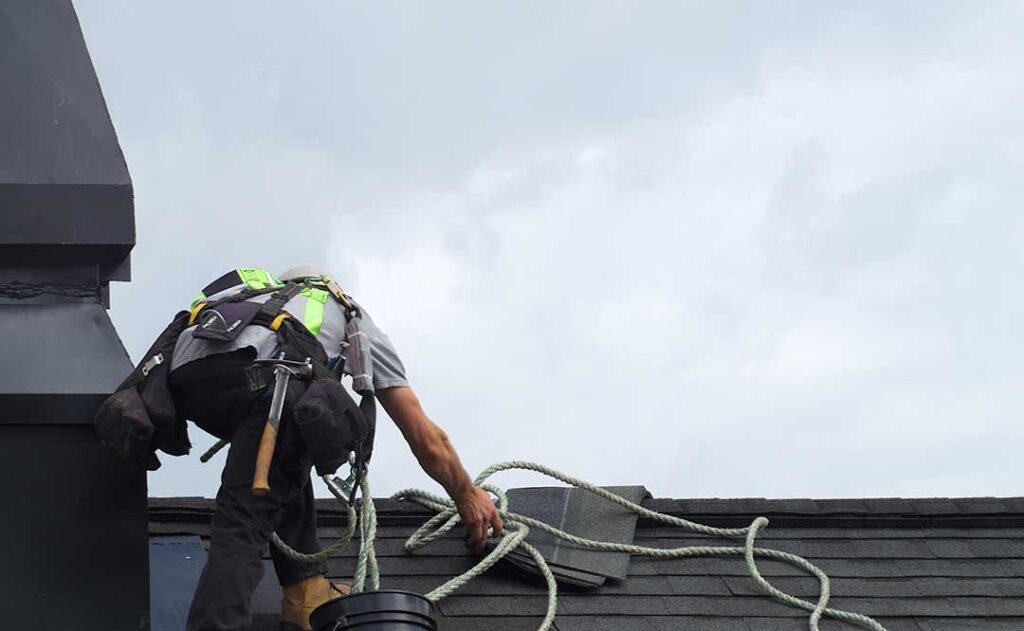
Roof repairs often begin with a simple goal: stop a leak, replace damaged shingles, or prevent further deterioration. Yet some common repair habits can make the original problem worse. In Springville, NY, seasonal snow, ice, wind, rain, and rapid temperature changes can expose weak repairs quickly.
Knowing which mistakes to avoid helps homeowners protect the roof structure, insulation, ceilings, and interior finishes.
Mistaking the visible stain for the leak source
A ceiling stain does not always sit directly below the roof opening. Water can travel along rafters, roof decking, insulation, or framing before it appears indoors.
A dark mark near an exterior wall might result from:
- Damaged shingles higher up the slope
- A failed flashing joint
- A leaking roof penetration
- Ice-related water entry near the eaves
- Condensation in an attic
- A blocked or poorly directed drainage path
Simply applying sealant around the area directly above the stain may hide the symptom without stopping the source. During or shortly after rain, tracing the water path from the attic side can provide better information, although walking on a wet roof or entering an unsafe attic is not advisable.
Replacing shingles without checking the surrounding area
A single missing shingle may be the most obvious damage, but nearby shingles can also be weakened. Wind may loosen fasteners, lift tabs, or break the adhesive bond across a larger section.
Replacing only the visibly missing piece can leave behind:
- Cracked neighboring shingles
- Exposed or damaged underlayment
- Bent flashing
- Loose ridge or hip components
- Nail holes that were never sealed correctly
A repair should include an inspection of the surrounding materials. If several shingles are brittle, curled, or losing granules, the issue may involve general roof aging rather than one isolated defect.
Using the wrong replacement material
Roofing materials are not interchangeable. Shingles differ in size, thickness, exposure, color blend, fastening requirements, and installation method. A replacement that looks close from the ground may not fit the existing roof correctly.
Older roofs can also have materials that are no longer produced in the same form. Mixing incompatible products may create uneven surfaces or weak seams. The underlayment, flashing, ventilation components, and fasteners must also be suitable for the roof system.
Matching the existing material as closely as practical is useful for appearance, but proper fit and weather resistance matter more than a nearly identical color.
Relying on roof cement as a permanent repair
Roofing cement and exterior sealants can have limited uses, especially for temporary protection or small flashing details. They are not a substitute for replacing damaged shingles, rebuilding failed flashing, or correcting poor drainage.
Heavy applications of cement may:
- Trap moisture beneath the surface
- Crack as temperatures change
- Make later repairs more difficult
- Hide deteriorated wood or underlayment
- Create the appearance of a repair without restoring the roof system
A sealant should be treated as one component of a properly designed repair, not as a general-purpose solution for every leak.
Nailing shingles incorrectly
Fasteners are a small detail with a major effect on roof performance. Nails placed too high, too low, at the wrong angle, or outside the manufacturer’s recommended area may not hold the shingle securely.
Common fastening mistakes include:
- Using too few nails
- Leaving nail heads exposed
- Driving nails too deeply and damaging the shingle
- Placing nails where the next shingle will not cover them
- Reusing bent or corroded fasteners
- Installing shingles over old exposed nails
In a region that experiences strong wind and winter weather, poor fastening can allow a repair to loosen months after it appears complete.
Ignoring flashing around roof penetrations
Flashing directs water away from vulnerable joints. It is commonly found around chimneys, vents, skylights, sidewalls, valleys, and roof edges.
A leak near one of these areas may not be solved by replacing shingles alone. The flashing could be corroded, separated, improperly layered, or sealed in a way that prevents normal drainage.
Repairs should preserve the correct water-shedding sequence. Adding material on top of a failed detail without removing or correcting the underlying problem often creates a short-lived patch.
Blocking ventilation while trying to stop drafts
Attic ventilation and air sealing serve different purposes. Ventilation helps manage heat and moisture within the attic, while air sealing limits warm indoor air from entering that space.
Covering vents with insulation or sealing every opening without understanding the system can increase moisture accumulation. In winter, warm air leaking into a cold attic may contribute to frost, damp insulation, mold growth, or deterioration of roof decking.
A roof repair should account for:
- Soffit and ridge ventilation
- Bathroom and kitchen exhaust ducts
- Attic insulation placement
- Air leaks around light fixtures, wiring, and penetrations
- Signs of condensation or frost
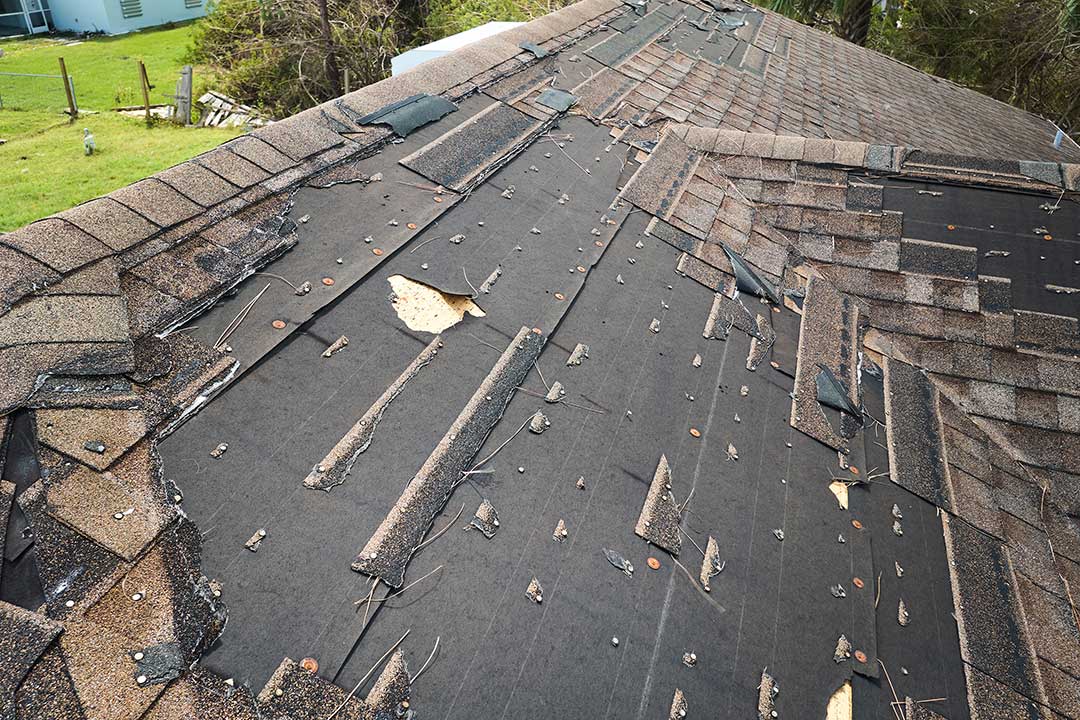
If the attic has moisture damage, repairing the roof covering alone may not resolve the cause.
Repairing wet materials
Roofing repairs should not be built over wet, rotten, or unstable materials. A new shingle or patch may look acceptable while the decking beneath it continues to deteriorate.
Before closing the repair, check for:
- Soft or spongy roof decking
- Darkened or decayed wood
- Wet insulation
- Rusted fasteners
- Mold-like staining
- Damp underlayment
Wet materials may require time to dry or replacement before new roofing components are installed. Covering them too quickly can trap moisture and shorten the life of the repair.
Working on the roof in unsafe conditions
Snow, frost, rain, wind, and steep slopes create serious fall hazards. Springville’s winter weather can also leave roof surfaces deceptively slick, even when the roof appears mostly clear from the ground.
Avoid roof work during:
- Freezing temperatures or icy conditions
- High winds
- Active rain or snowfall
- Poor visibility
- Extreme heat that softens asphalt shingles
- Conditions requiring unstable ladders or makeshift platforms
Ladders should rest on stable ground and extend properly above the access point. If a repair requires walking near a roof edge, handling heavy materials, or working around electrical equipment, safety risks may outweigh the value of a do-it-yourself fix.
Failing to inspect after the repair
A roof repair is not finished simply because the damaged material has been replaced. The area should be checked for exposed fasteners, loose edges, open seams, debris, and water paths.
After the next suitable rainfall, inspect the attic and ceiling for new moisture. Do not rely only on the absence of an immediate drip; some leaks appear gradually as insulation absorbs water.
Keep a simple record of:
- The repair location
- The materials used
- The date of the work
- Any interior staining
- Weather conditions when the problem occurred
- Changes noticed after rainfall or snowmelt
This information can reveal whether the repair solved the original issue or whether a larger roof-system problem remains.
When a repair may not be the right solution
A repair is less likely to be effective when damage is widespread, the roof deck is deteriorating, or repeated patches have not stopped leaks. Multiple leak locations, extensive granule loss, recurring ice-related damage, and sagging areas deserve closer evaluation.
Some situations also require specialized knowledge for safety or compliance, including structural damage, chimney-related leaks, electrical hazards, and work near steep or difficult roof sections. In those cases, avoiding additional damage means stopping before the repair becomes more hazardous than the original problem.
The most reliable roof repairs address the cause of water entry, use compatible materials, preserve drainage and ventilation, and account for the roof’s overall condition—not just the spot that first becomes visible indoors.
