

How Do Roof Shapes Impact a Home’s Appearance and Functionality?
The contour and structure of a roof are among the most noticeable architectural elements on any house in Springville, NY. More than just shelter, the roof’s shape defines a home’s overall look, influences how it ages, and determines how well it resists local weather. Whether building new or renovating, understanding the effects of roof shapes helps area residents make informed decisions for aesthetics, maintenance, and comfort.
What Are the Most Common Roof Shapes in Springville Neighborhoods?
The most familiar roof types across Springville are gable, hip, and occasionally flat or shed roofs. Each comes with distinct profiles and qualities:
- Gable Roofs: The classic pitched “A-frame” structure, seen often in older and newer homes alike, channels snow and rain quickly away from the house.
- Hip Roofs: All sides slope downward to the walls, offering more stability and better wind resistance.
- Flat or Low-Slope Roofs: Less common for residential homes due to weather challenges, but found on some mid-century and contemporary local designs.
Less common but occasionally present are gambrel, mansard, or shed roofs, which have unique looks and varying practicality in Springville’s seasonal climate.
How Does Roof Shape Affect Protection from Weather?
A roof’s design directly shapes how well a house stands up to Springville’s snowy winters, wind gusts, and summer thunderstorms.
Quick Summary: Steeper, well-sloped roofs shed rain and snow better; complex or flat designs may require more maintenance and careful construction.
Expanded Guidance:
- Gable and hip roofs, both with a moderate to steep pitch, allow snow and water to slide off efficiently. This is crucial to prevent ice dams and leaks as heavy, wet snow is common in the region.
- Flat or low-sloped roofs need specialized membranes and vigilant drainage systems, or they risk water pooling and eventual leaks. Residents with a non-pitched roof often must clear snow or pooling water more frequently.
- Roof overhangs, found on many local gable and hip designs, help keep rain away from siding and windows, enhancing overall weather protection.
Does Roof Shape Influence Energy Efficiency?
The form of a roof plays a role in how well a home stays cool or warm through Springville’s changing seasons.
Direct Answer: Roof shapes that allow for good ventilation and insulation—like gable and hip—make temperature regulation easier and can reduce energy bills.
Details:
- Gable roofs are particularly well-suited for attic spaces, which can be insulated or ventilated to prevent heat loss in winter and excess heat in summer.
- Complicated shapes with valleys or flat areas may allow for creative insulation solutions, but sometimes at increased construction cost and complexity.
- Overhanging eaves shade windows in summer, blocking sunlight, yet let in lower winter sun, assisting with natural temperature control.
How Might Roof Shape Change a Home’s Interior Space?
The silhouette above your head affects the rooms below—often more than residents realize.
Brief Explanation: Steeper and more varied rooflines (such as gable or gambrel) can provide additional usable attic or loft space, while flatter roofs keep ceiling heights low and uniform.
Further Guidance:
- Homes with gable or gambrel roofs often use the extra attic volume for storage, mechanical systems, or even finished living areas.
- Vaulted ceilings are more feasible underneath pitched roofs, lending airy, dramatic looks to living rooms or bedrooms.
- Hip and flat roofs typically offer less usable attic space, limiting options for expansion above the main living area.
What Should Residents Know About Curb Appeal and Neighborhood Consistency?
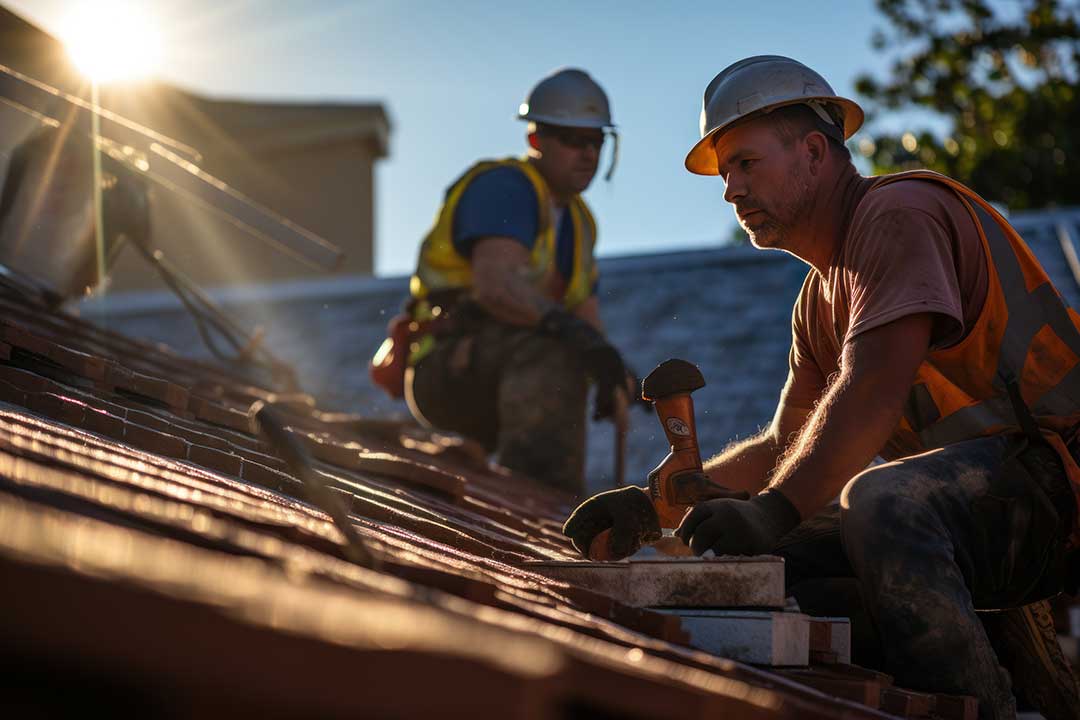
A roof can make or break a house’s curb appeal and resale value, especially in established Springville neighborhoods.
Key Points: The roof’s profile, materials, and pitch signal the home’s style—from traditional to modern—and should harmonize with the area’s established character.
Local Considerations:
- Well-matched roof shapes help homes blend into streetscapes typical of Springville, where historic homes may have steep gables and newer builds feature more complex hip or cross-gable designs.
- Homeowners’ associations or local regulations sometimes restrict roof modifications to keep neighborhood aesthetics consistent.
Are There Maintenance Differences Between Roof Shapes?
Different shapes bring different upkeep requirements—some are easier to care for in the long run.
Summary: Simple, steep designs are usually easier and less costly to maintain, while roofs with lots of angles or a low pitch may need more frequent attention.
- Gable roofs are the simplest to inspect, repair, and maintain, making them a practical choice for many households.
- Roofs with dormers, valleys, or intricate intersections collect more debris and are more prone to leaks. These areas should be checked after storms or ice events.
- Flat roofs demand vigilant inspection, especially after heavy snowfalls, as their drainage systems can easily become clogged.
What Mistakes Do Homeowners Commonly Make When Choosing a Roof Shape?
A mismatch between aesthetic preference and practical needs is a frequent problem.
Quick Advice: Choosing roof shapes based solely on looks, or overlooking how local weather will interact with the design, can lead to expensive maintenance, early repairs, or even insurance issues.
Examples:
- Opting for a flat or ultra-low-pitch roof without adequate drainage planning, which doesn’t suit the area’s snow loads.
- Adding complex features (like multiple valleys or rooflines) without planning for increased maintenance.
- Not confirming local housing codes or neighborhood guidelines before altering the roof, which can delay projects or require costly changes.
Roof shapes influence much more than the way a home looks—they’re central to protection, comfort, long-term costs, and fitting in with the local community. Residents benefit from learning how roofing choices interact with Springville’s distinctive seasonal weather and streetscapes to make informed, lasting decisions.
