
What Does Severe Wind Really Do to a Roof in Springville, NY?
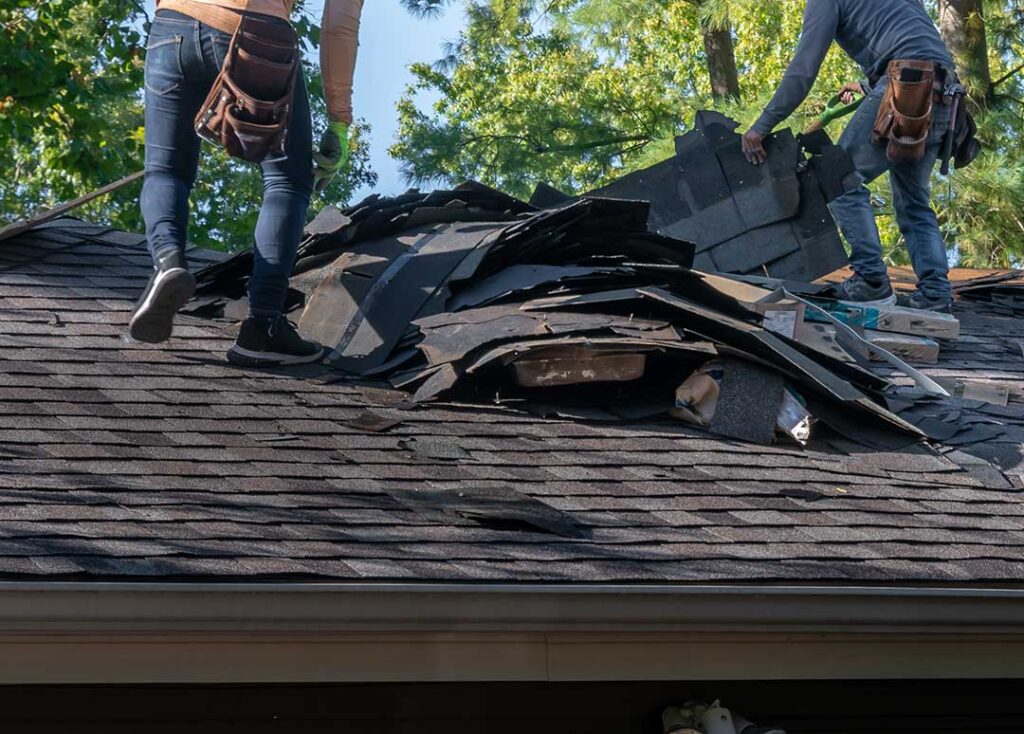
Severe wind puts unique stress on roofs, especially in areas like Springville, NY, where unpredictable weather is common. Strong gusts can loosen, lift, or even tear away roofing materials, starting small but often leading to larger, costly problems if not addressed. For local residents, even a roof that appears intact after a storm may have hidden damage.
Wind damage is rarely uniform; roofs often suffer the most at edges, corners, and ridgelines. High winds can exploit any weakness—like an old shingle or a loose nail—making ongoing repairs or proper installation crucial in the region’s varied climate.
Why Are Some Roofs More Vulnerable Than Others During High Winds?
Roofs in the community differ in age, materials, and their exposure to the elements. Several local factors can make roof vulnerability more pronounced:
- Older or poorly maintained roofs are more prone to damage as seals break down and materials become brittle.
- Certain roof types, like three-tab shingles, tend to fare worse against wind than more modern laminated or metal options.
- Houses surrounded by open fields or few trees often face higher wind loads than those sheltered by landscaping or neighboring homes.
Wind direction and speed can shift rapidly in the area, especially with thunderstorms rolling off nearby hills or abrupt spring squalls. Homes at the edge of town or on elevated lots may take the brunt of strong winds more often than neighbors in more protected spots.
How Can Residents Spot Wind Damage After Storms?
Not all wind damage is obvious from the ground, but residents can look for several signs after severe weather. Early detection prevents small issues from growing:
- Missing, curled, or creased shingles, especially along edges
- Granules collecting in gutters or at downspouts
- Loose or bent flashing around chimneys, skylights, and roof edges
- Exposed nails or shifting of roof tiles
Water stains on top-floor ceilings or damp attic insulation can also signal that wind-driven lifting has broken a waterproof barrier. Even if shingles appear intact, stress from strong gusts can loosen their seal, setting up future leaks.
Do Local Building Codes Affect Wind Resistance?
Yes—building codes in Springville require roofs to meet minimum wind resistance standards. Codes generally specify how roofing materials must be installed, including shingle attachment, underlayment types, and nailing patterns. In recent years, updates to these codes have aimed to help roofs better withstand strong gusts common to the region.
However, roof performance still depends heavily on how closely a specific installation follows these guidelines. Older roofs may predate recent code updates, leaving them more exposed to wind-related failure.
What Role Does Local Weather Play in Ongoing Roof Health?
Springville’s climate features frequent seasonal transitions, moving from cold, snowy winters to windy, rainy springs and summers. These weather cycles:
- Speed up the aging of roofing materials, especially when freeze-thaw cycles follow wind events
- Cause wind-driven rain to exploit new gaps or lifted shingles
- Encourage moss and ice dam formation, which can further weaken already wind-stressed sections
A roof that comes through a windstorm may still suffer additional damage if spring rains quickly follow, washing water into vulnerable spots.
Are There Common Misconceptions About Wind Damage Risk?
Area homeowners sometimes underestimate how even moderate wind events build up damage over time. Key misconceptions include:
- Only severe storms cause real roof damage: In fact, repeated exposure to gusty days can slowly loosen roofing materials, especially at seams and edges.
- Heavier roofing always means better wind resistance: The way materials are fastened and their flexibility to move with the wind usually matter more than just weight.
- New roofs are immune: Quality of installation and ongoing maintenance play as much of a role as age. Even newer roofs may fail if improperly installed.
What Steps Can Residents Take to Reduce Risk?
While it’s impossible to prevent all wind damage, local residents can take practical steps to improve roof resilience:
- Schedule regular roof inspections, especially after major wind events or every spring and fall.
- Keep gutters and downspouts clear so water doesn’t back up into vulnerable roof edges during storms.
- Trim trees or remove large branches overhanging the roof to prevent impact damage when wind hits.
- Check attic ventilation to reduce the risk of moisture buildup if wind-driven rain gets into roof layers.
Any repairs, even small fixes, are best managed quickly—proactive attention will often prevent a minor issue from becoming a larger structural problem.
When Should Residents Seek Professional Help for Roof Issues?
Safety concerns, such as climbing onto a steep or high roof, or finding signs of structural weakness, often mean residents should seek qualified help for a thorough inspection or repair. This is especially true if there’s visible sagging, a leak that persists after each rain, or evidence of damage following a major windstorm.
Otherwise, most residents can handle basic visual checks, cleanups, and weatherproofing steps. If uncertain or unsafe, prioritizing personal safety is always the wiser choice.
