
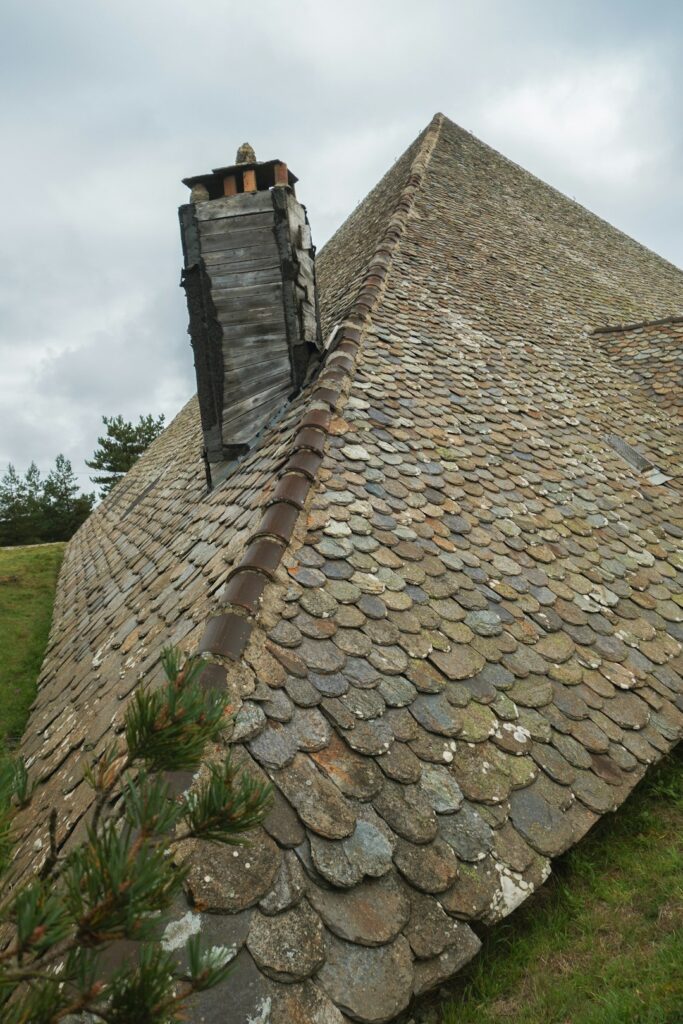
Roofing problems are not always caused by age, severe weather, or poor maintenance. Some develop because the roof was installed incorrectly from the beginning. In Springville, NY, seasonal snow, wind, freeze-thaw cycles, and heavy rain can expose installation mistakes that may remain hidden during mild weather.
Poor installation does not always produce an immediate leak. Early warning signs may appear as uneven shingles, exposed fasteners, loose flashing, or drainage problems. Recognizing these details can help property owners distinguish ordinary wear from defects in the original work.
What are the most common signs of poor roof installation?
The clearest signs include uneven shingle lines, visible gaps, loose materials, exposed nails, incorrect flashing, and water that does not drain properly. A single irregularity may be cosmetic, but several problems together can indicate that the roof system was not installed according to accepted practices.
Look for:
- Shingles that appear wavy, lifted, crooked, or out of alignment
- Tabs that do not lie flat or seem to be separating
- Roofing nails visible on exposed portions of shingles
- Flashing that is missing, loose, bent, or covered with excessive sealant
- Shingles extending too far or not far enough beyond the roof edge
- Open gaps around vents, chimneys, skylights, or wall intersections
- Gutters that receive unusually large amounts of loose granules
- Roof sections that sag or appear uneven from the ground
These conditions can allow moisture, wind, and ice to work beneath the roofing layers.
Why do uneven shingles suggest an installation problem?
Shingles should form consistent rows with straight horizontal lines and properly staggered joints. Noticeably crooked courses may mean the installer did not establish accurate layout lines or failed to maintain the correct exposure between rows.
Wavy or buckled shingles can have several causes, including trapped moisture, poor ventilation, improper fastening, or materials installed over an uneven surface. Some new shingles may settle slightly after installation, but pronounced ripples, raised edges, or irregular patterns should not be dismissed as normal.
In colder climates, installation problems can become more obvious after repeated freezing and thawing. Materials expand and contract, while snow and ice add weight and wind pressure. A roof that was marginally installed may show movement sooner under these conditions.
Are exposed roofing nails a serious warning sign?
Exposed nails can become leak points, especially where they are placed above the water-shedding portion of a shingle. Roofing nails should generally be covered by overlapping materials or protected in locations where water cannot easily reach them.
Inspect from the ground or from a safe attic location rather than walking on the roof. Common areas of concern include:
- Nails visible along shingle faces
- Nail heads that are raised or rusting
- Fasteners placed too close to shingle edges
- Nails that missed the underlying roof deck
- Shingles secured with too few fasteners
Improper fastening can also contribute to wind damage. A shingle may look intact but still lift during strong gusts if the nails were placed incorrectly or did not penetrate the roof deck adequately.
How can flashing reveal poor workmanship?
Flashing directs water away from vulnerable joints. It is commonly used around chimneys, plumbing vents, roof-to-wall intersections, valleys, skylights, and roof edges. Because these areas change direction or interrupt the main roof surface, they require careful detailing.
Poorly installed flashing may appear as:
- Pieces that are bent, loose, or visibly separated
- Open seams at corners
- Large beads of caulk used instead of properly formed flashing
- Metal installed over areas that should have been integrated with shingles
- Missing step flashing where a roof meets a vertical wall
- Roofing material tucked behind siding or masonry without a proper drainage path
Sealant can be useful as part of a complete system, but it should not replace correctly layered flashing. Caulk can shrink, crack, and separate as temperatures change.
What roof-edge problems indicate improper installation?
The edges of a roof need precise installation because they are exposed to wind and receive concentrated runoff. Shingles should be positioned to protect the roof deck without extending so far that they bend or break.
Possible installation defects include:
- Shingles hanging noticeably beyond the roof edge
- Shingles stopping short of the edge and leaving the deck exposed
- Drip edge metal installed above the underlayment where it should direct water outward
- Drip edge missing at eaves or rakes
- Fascia boards showing water stains soon after installation
- Gutters positioned too low or too far away to catch runoff

A poorly detailed edge can contribute to rotted roof decking, damaged fascia, and water entering behind gutters.
Can attic conditions reveal a bad roof installation?
Yes. The attic may show evidence before interior ceilings do. After rainfall or a period of melting snow, look for damp insulation, darkened wood, water marks, or daylight visible through roof joints.
Other warning signs include:
- Wet or compressed insulation near eaves
- Mold-like staining on roof sheathing
- Rusted nails or fasteners
- Water trails below valleys, vents, or flashing
- Frost buildup during cold weather
- Inadequate air movement near soffit and ridge areas
Poor ventilation is not always an installation defect by itself, but it can be part of an improperly designed roof system. Excess moisture in an attic can condense on cold surfaces, making it difficult to distinguish a ventilation problem from a roof leak.
Is granule loss on a new roof normal?
A small amount of loose granules may appear in gutters after installation. However, large quantities of granules, bare patches, or concentrated loss around roof edges can indicate damage or improper handling.
Granules protect asphalt shingles from sunlight and weather. They may be removed by careless walking, excessive friction, defective materials, or runoff that is not being directed correctly. If significant granule loss appears soon after the roof was installed, it deserves closer inspection.
What should residents check after a roof installation?
A basic visual review can identify many problems without climbing onto the roof. From the ground, inspect the roofline, shingle alignment, flashing, gutters, and areas around vents. From inside the attic, look for moisture marks, daylight, and damp insulation during or after wet weather.
Keep records of:
- The installation date
- Visible defects and their locations
- Photos taken from safe viewpoints
- Dates of leaks or water stains
- Storms or heavy snow events that may have exposed a problem
Do not walk on a steep, wet, icy, or visibly damaged roof. Roof surfaces can be slippery, and concealed defects may make certain areas unstable. Electrical hazards, structural damage, and active water entry require particular caution.
When does a roof problem require prompt attention?
Prompt attention is warranted when water is entering the building, the roof deck is sagging, shingles are lifting across a broad area, flashing has separated, or a large section has been damaged by wind. Interior staining that expands after rain or snowmelt should not be treated as merely cosmetic.
A roof can continue to look acceptable from the ground while water damages insulation, sheathing, framing, and interior finishes. In a region with snow and repeated freeze-thaw conditions, small openings may enlarge as trapped moisture freezes and expands.
Poor installation is best evaluated by examining the entire roof system rather than focusing on one loose shingle or one isolated drip. Patterns, locations, timing, and the relationship between exterior defects and interior moisture usually provide the clearest indication of what is happening.
