
What Is Roof Decking and Why Does It Matter?
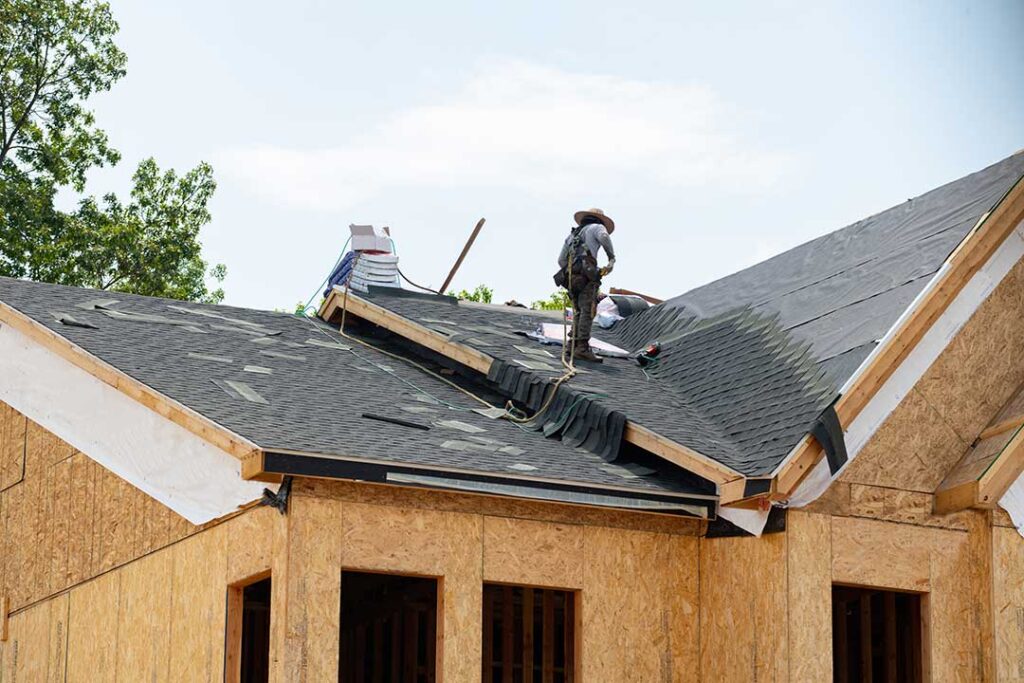
Roof decking is the flat, structural base layer that sits beneath your roofing material and above your home’s framing. In Springville, NY, roofing systems depend on solid decking to perform reliably through the area’s weather shifts, particularly heavy winter snowfall and rainy seasons. Without sturdy decking, the rest of your roof—shingles, underlayment, and insulation—cannot do their job.
Decking acts as the foundation for roof coverings, helping distribute weight, support foot traffic during maintenance, and anchor all other roofing layers. For houses in Springville, the right choice and condition of decking can directly impact roof longevity and household safety.
What Materials Are Commonly Used for Decking Locally?
For most homes in the community, roof decking is made of either plywood or oriented strand board (OSB):
- Plywood: Often considered more durable in long-term wet conditions. Traditionally 1/2-inch or 5/8-inch thick panels are most common. Plywood stands up well if leaks go unnoticed for a while.
- OSB (Oriented Strand Board): A more affordable engineered wood, OSB is widely used in newer builds and roof replacements. While strong and uniform, it may be less forgiving if persistent moisture soaks in, making proper ventilation and quick leak fixes especially important.
Aging homes in Springville, especially those built before the mid-20th century, sometimes have plank (board) decking—long, spaced-apart boards installed before the era of sheet goods. These may pose unique repair or upgrade needs if replacing an older roof.
How Does Springville’s Climate Affect Decking Performance?
Springville’s mix of snowy winters, ice, and springtime freeze-thaw cycles puts unique demands on roof decking. Decking must reliably:
- Support heavy snow loads, especially for homes with shallow-pitched roofs.
- Stay stable despite wide swings in temperature and humidity.
- Resist water damage from wind-blown rain, ice dams, and slow-melting snow piles.
Moisture is a top concern. Any prolonged exposure to leaks or attic condensation can weaken decking, causing warping, rot, or even collapse under heavy snow. Choosing the right material and fitting proper attic ventilation go a long way to managing these challenges in the local context.
What Happens If Roof Decking Fails?
Compromised decking poses real risks for area households. Weak or rotten panels can lead to:
- Sagging rooflines and visible dips.
- Soft spots that feel springy if you walk the roof during inspections.
- Higher chances of shingle failure, as nails and fasteners can pull loose.
- Interior leaks and water stains, especially after major storms or winter thaw cycles.
Unchecked, severely damaged decking might allow part of the roof to cave in during heavy weather, especially in older homes.
How Can Local Residents Recognize Decking Problems?
You do not need to remove shingles to get early warning signs of decking trouble:
- Persistent attic leaks, especially after ice damming or wind-driven rain.
- A musty smell in the attic, or visible mold on the underside of the roof.
- Unexplained ceiling stains or peeling paint on top-floor ceilings.
- Unusual creaking or “growing” visible dips when viewed from outside, especially after snow melts.
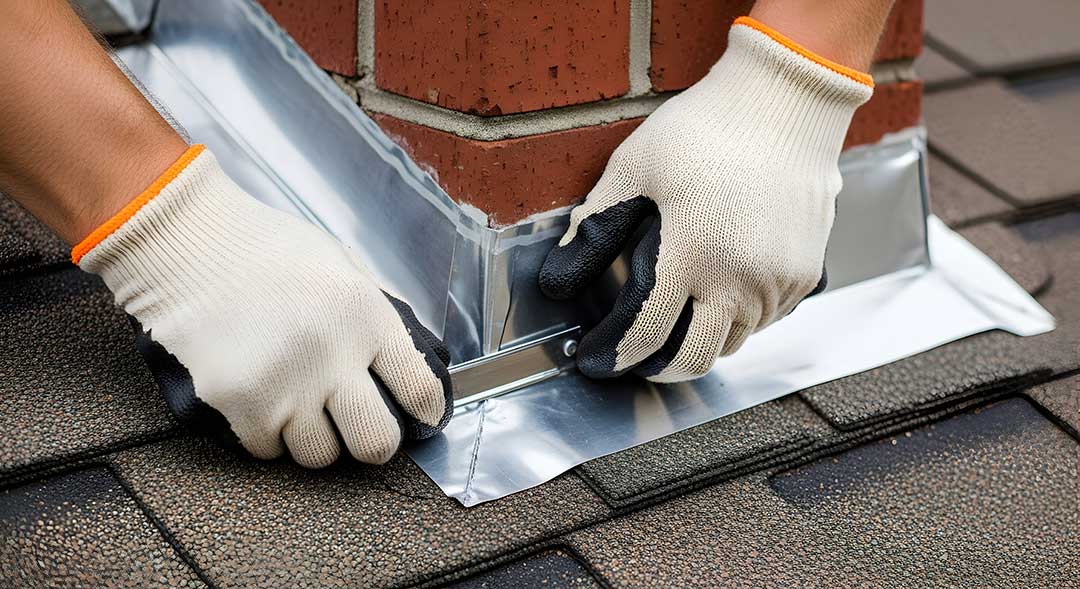
If there are plans to replace or repair the roof, inspectors or contractors will often lift a portion of shingles to check for sponginess, rot, or delamination (peeling layers) in the decking beneath.
Are There Building Codes or Rules for Decking in Springville?
Local codes based on New York State requirements guide roof decking standards to ensure safety and durability:
- Most new decking must be at least 3/8-inch thick for OSB or plywood, though thicker panels are often preferred given local snow loads.
- Spacing of fasteners and attachment methods are set to resist wind uplift and shifting.
- If old plank decking is being reused, gaps must be minimal and boards must be solid with no rot.
While do-it-yourself repairs are not unusual for minor roof fixes, any extensive work involving roof structure should follow local building regulations to prevent issues during home sales, insurance claims, or safety inspections.
What Upgrades or Best Practices Are Useful for Springville Homes?
Improving roof decking during replacement or repair—especially for older homes—can make a major difference in roof performance:
- Replacing rotted or soft decking with new, higher-grade panels.
- Using synthetic underlayment and moisture barriers to provide extra protection over decking.
- Ensuring attic ventilation is clear and unobstructed to minimize condensation and ice dam risk.
- Adding insulation to the attic floor (while keeping ventilation open) to stabilize attic temperature and reduce freeze-thaw stress on the roof and decking.
For historic homes with plank decking, adding a layer of modern plywood over existing boards can add strength without removing part of the building’s original structure.
Are There Common Misunderstandings About Roof Decking?
Many residents believe that the roofing material—such as shingles—protects the home more than anything underneath. In reality, poor or damaged decking can allow even new shingles to fail prematurely. Another misconception is that if decking isn't directly exposed to the weather, it is permanently protected. In practice, hidden leaks and attic ventilation issues are the leading causes of premature decking problems locally.
Routine attic checks and being alert to moisture clues indoors are among the most practical habits for local residents who want to avoid costly structural repairs.
