
Roof coatings can extend the service life of some roofs, improve water resistance, and reflect sunlight. They are not a universal solution, however, and they cannot restore a roof with widespread rot, major leaks, structural problems, or failing materials.
For homeowners in Springville, NY, the decision depends on the roof’s construction, current condition, drainage, age, and ability to withstand repeated snow, ice, moisture, and freeze-thaw cycles.
What is a roof coating?
A roof coating is a fluid-applied material spread over an existing roofing surface. After curing, it forms a continuous protective layer. Common coating types include acrylic, silicone, polyurethane, and rubber-like elastomeric products.
Coatings are most commonly used on:
- Low-slope or nearly flat roofs
- Metal roofing
- Smooth modified bitumen or built-up roofing
- Certain single-ply membrane systems
- Roofs that are aging but still structurally sound
A coating is different from roof paint. Roofing products are designed to resist weather exposure, accommodate some movement, and protect the underlying roof. Ordinary exterior paint is not a substitute.
What are the main advantages?
The most significant advantage is that a coating may add useful service life to an existing roof that is still fundamentally sound. Instead of removing the entire roof system, the coating creates another protective layer over the surface.
Improved water resistance
A properly applied coating can cover small surface cracks, seams, fastener areas, and minor imperfections. It may reduce the chance of water entering through small openings, especially on low-slope roofs where water remains on the surface longer.
This benefit depends heavily on preparation. Open seams, punctures, deteriorated flashing, and active leaks generally need to be repaired before coating. Applying material over unresolved problems can hide them temporarily without correcting the cause.
Protection from ultraviolet exposure
Sunlight gradually breaks down many roofing materials. Reflective coatings can reduce ultraviolet exposure and surface heating, which may slow aging on some roof systems.
This is more useful on broad, exposed roof surfaces than on shaded, steep-slope roofs where sunlight is not the primary source of wear.
Reduced surface temperatures
White or light-colored coatings reflect more sunlight than dark roofing. During warm weather, that can reduce roof surface temperatures and limit heat transfer into the building.
The energy benefit is usually more noticeable in buildings with low-slope roofs, large exposed roof areas, limited attic insulation, or air-conditioning loads. In a cold-weather community, the winter heating impact should also be considered. A cooler roof is not automatically an advantage in every season.
Fewer tear-off materials
A coating system may reduce the amount of roofing material sent to a landfill compared with complete roof replacement. It may also create less disruption because the existing roof often remains in place.
That does not mean coating is always the more environmentally responsible choice. A coating that fails quickly, requires repeated repairs, or delays a necessary replacement may use more materials over time.
Potentially lower short-term cost
When the existing roof needs protection but does not yet require full replacement, coating can sometimes be less expensive than tearing off and rebuilding the roof. The actual value depends on preparation, repairs, coating thickness, access, drainage corrections, and expected service life.
The lowest initial price does not necessarily represent the lowest long-term cost.
What are the disadvantages?
Roof coatings have real limitations. The most important is that they cannot turn a failing roof into a new one.
They do not repair structural damage
Coating does not replace rotted decking, damaged framing, saturated insulation, loose roofing panels, or widespread membrane deterioration. If moisture has reached the underlying structure, covering the surface can make future inspection more difficult.
A roof should be evaluated for soft areas, sagging, recurring leaks, damaged flashing, and trapped moisture before a coating is considered.
Surface preparation is demanding
The roof must generally be clean, dry, stable, and compatible with the selected product. Dirt, chalking, rust, grease, loose granules, old coatings, and biological growth can interfere with adhesion.
Preparation may include cleaning, rust treatment, seam reinforcement, fastener repairs, patching, and primer. Skipping these steps is a common reason coatings peel, blister, or separate from the roof.
Moisture can become trapped
Some roof systems contain moisture below the surface even when the roof appears dry. A coating can limit evaporation and trap that moisture inside the assembly.
Blistering, bubbling, and premature failure may result. Moisture testing and careful inspection are especially important when a roof has a history of leaks or poor ventilation.
Ponding water remains a problem
A coating may tolerate limited standing water depending on its formulation, but it does not correct poor drainage. Depressions, blocked drains, inadequate slopes, and overflowing gutters can continue to stress the roof.
Water that remains for extended periods can weaken seams, encourage biological growth, and shorten the life of the coating. Drainage should be addressed as part of the overall roof plan rather than treated as a coating issue alone.
Weather affects application
Many coatings need specific temperatures and a period without rain, frost, or heavy dew during curing. In Springville, NY, the practical installation season can be narrowed by cool spring nights, autumn moisture, snow, and rapid weather changes.
A coating applied to a damp surface or before a freeze may not bond correctly. Winter conditions can also make roof access hazardous and interfere with inspection.
Future repairs may be more complicated
Once a roof has been coated, future patches must be compatible with the existing coating. Some repair materials will not adhere well to silicone, acrylic, or polyurethane surfaces without additional preparation.
The coating type, application date, repair history, and product information should be recorded for future maintenance.
Are roof coatings suitable for asphalt shingles?
Usually, caution is warranted. Asphalt shingles are manufactured as finished roof coverings, and field-applied coatings can alter how they shed water, release heat, and dry after moisture exposure.
Coating shingles may also affect manufacturer warranties, conceal damaged areas, and complicate later replacement. A coating should not be used simply to make an old shingle roof appear newer.

If shingles are brittle, curling, losing significant granules, or nearing the end of their serviceable life, coating is unlikely to be a dependable substitute for replacement.
Which coating types are commonly used?
The best choice depends on the roof material and expected exposure.
- Acrylic coatings are often reflective and relatively economical, but they may be less suitable where water regularly ponds.
- Silicone coatings generally handle moisture and ponding water better, though they can become slick and may attract dirt.
- Polyurethane coatings can offer strong resistance to abrasion and foot traffic but may require more careful installation.
- Rubber-like elastomeric coatings can stretch with limited roof movement and are used in several roof restoration systems.
Product labels alone are not enough. Compatibility, dry-film thickness, reinforcement requirements, drainage, and warranty conditions matter more than the coating name.
How should homeowners judge whether coating makes sense?
A coating is most reasonable when:
- The roof is structurally sound.
- Leaks are limited and repairable.
- The existing material is compatible with the coating.
- Drainage is adequate.
- There is enough remaining roof life to justify the application.
- The roof can be cleaned, dried, and prepared properly.
- The expected benefits match the building’s actual needs.
Replacement is generally more appropriate when the roof has widespread leaks, saturated insulation, extensive rust-through, major membrane failure, structural damage, or repeated patching.
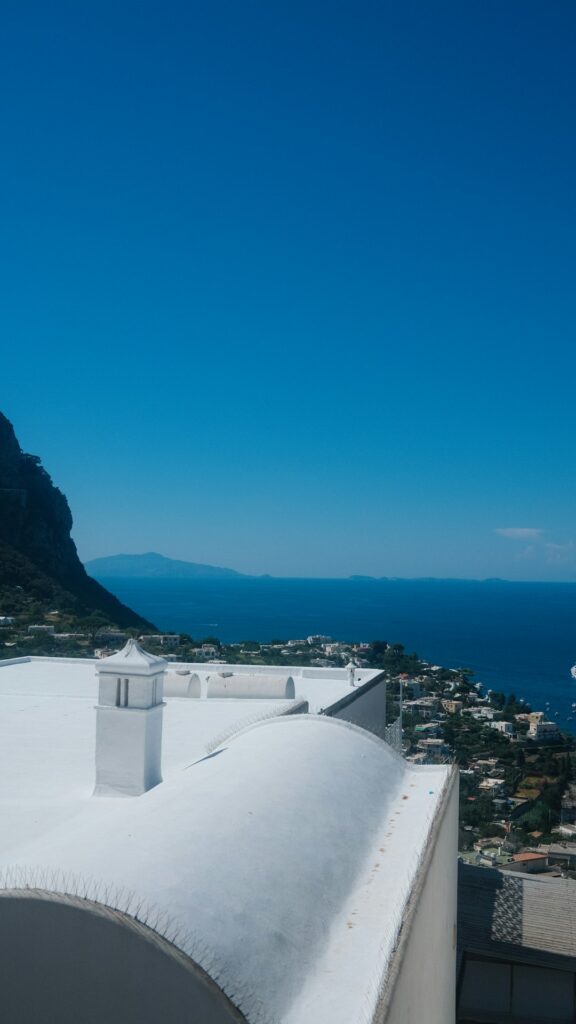
For local homes and outbuildings exposed to snow loads, ice, wind, and seasonal expansion and contraction, the condition beneath the coating matters more than the appearance of the finished surface. A smooth white roof may look renewed, but it still depends on sound decking, secure edges, functional flashing, and reliable drainage.
What questions should be answered before application?
Before proceeding, homeowners should be able to answer:
- What roofing material is already installed?
- Is moisture present below the surface?
- What repairs are required before coating?
- How will seams, penetrations, edges, and flashing be reinforced?
- How much coating will be applied after curing?
- What weather conditions are required during installation?
- Will the coating affect an existing roof warranty?
- How will future repairs be performed?
- What is the realistic service life under local conditions?
The central question is not whether a coating can be applied. It is whether the existing roof is healthy enough to benefit from one. When the underlying system is sound, a coating may provide practical protection. When the roof is already failing, coating can become an expensive delay rather than a durable solution.
