
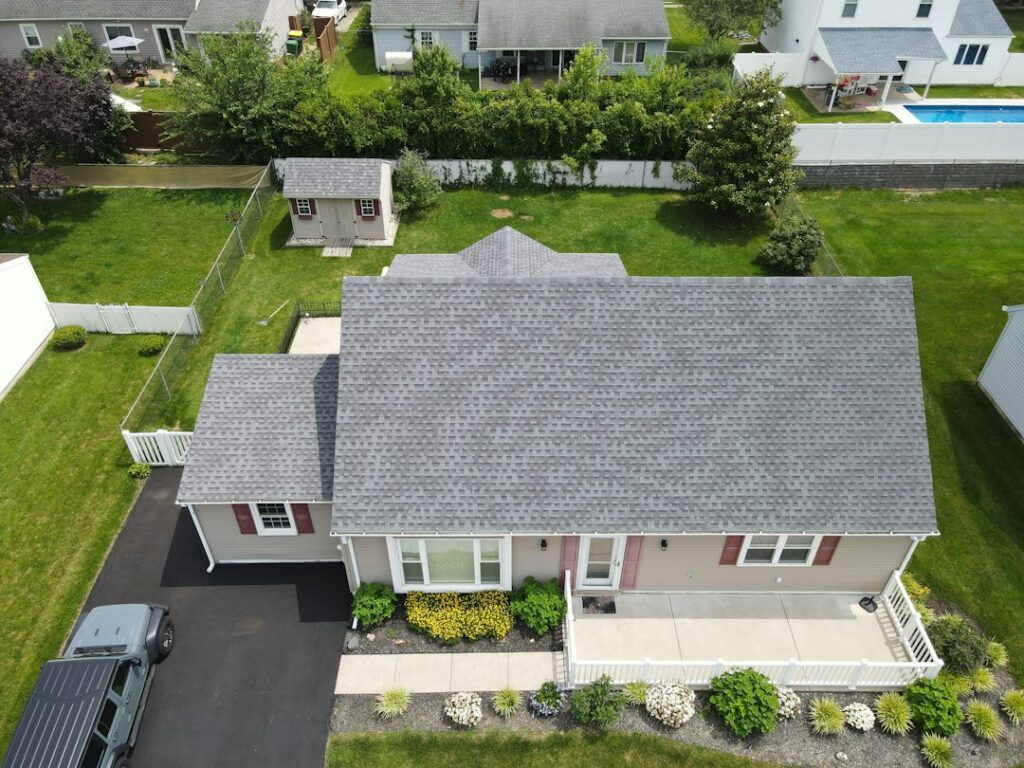
A new roof can improve a home’s value by reducing immediate repair concerns, strengthening buyer confidence, and protecting the structure from water damage. The financial benefit is rarely equal to the full installation cost, but a well-planned roof replacement can help a property compete more effectively with similar homes.
Does a new roof increase a home’s value?
Usually, yes—but the effect depends on the roof’s previous condition, the quality of the replacement, and local buyer expectations. A roof that is visibly worn, leaking, or near the end of its service life can reduce offers because buyers may treat replacement as an immediate expense.
A newer roof may add value in several ways:
- It removes a major repair concern from the buyer’s inspection list.
- It makes the home easier to compare with properties that need fewer updates.
- It reduces the likelihood of water damage, interior repairs, and emergency maintenance.
- It can improve the home’s exterior appearance.
- It may support a smoother appraisal and negotiation process.
A roof is not usually valued like a finished kitchen or added bathroom. Much of its value comes from preventing a discount. If a deteriorated roof would cause buyers to lower their offers, replacing it may preserve more of the home’s market value.
Why does roof age matter to buyers?
Roof age helps buyers estimate how soon they may face a major expense. Asphalt shingle roofs often have a useful service life measured in decades, but actual performance depends on ventilation, installation quality, storm exposure, maintenance, and moisture conditions.
A roof that is several years old and well maintained may not be a concern. A roof approaching the end of its expected life may receive closer attention, especially if there are curled shingles, exposed fasteners, missing materials, sagging areas, staining, or repeated repairs.
Buyers are also aware that a roof replacement involves more than shingles. Costs may include removal of old roofing, underlayment, flashing, ventilation improvements, deck repairs, disposal, and related exterior work. A roof that appears close to failure can therefore affect a buyer’s offer even before a formal inspection is completed.
How does a roof affect the appraisal?
An appraiser generally considers the overall condition, function, and marketability of a home rather than assigning a simple dollar amount to each improvement. A roof in good condition can support the conclusion that the property is well maintained, while a failing roof may be treated as a deficiency.
The strongest effect often appears when comparable homes have similar floor plans and locations but different maintenance needs. A home with a recently replaced roof may stand out because the buyer can move forward without budgeting for a major exterior project.
A new roof does not automatically raise an appraisal by the full replacement price. Appraised value reflects the local market, the property’s condition, comparable sales, and the features buyers are actually willing to pay for. The roof contributes to the property’s overall condition rather than functioning as a guaranteed one-for-one investment.
What makes a roof replacement more valuable?
The quality and completeness of the work matter as much as the fact that the roof is new. A replacement tends to provide stronger value when it includes:
- Proper installation for the roof design and local weather conditions
- Sound flashing around chimneys, roof edges, valleys, and penetrations
- Adequate attic ventilation
- Appropriate underlayment and ice-dam protection
- Repair or replacement of damaged roof decking
- Clear documentation of materials and completed work
- Good drainage around roof edges and nearby exterior surfaces
In Springville, winter conditions make these details especially relevant. Snow, freeze-thaw cycles, wind, and ice buildup can expose weaknesses in flashing, ventilation, drainage, and roof-edge protection. A roof that looks attractive from the ground may still have underlying problems if these components were overlooked.
Can a new roof help sell a home faster?
A newer roof can shorten the time a home spends on the market, particularly when competing properties have older or visibly damaged roofing. Buyers often respond strongly to improvements that reduce uncertainty. A roof replacement may not create an emotional reaction like a remodeled kitchen, but it can make the purchase feel more manageable.
The effect is strongest when the old roof would otherwise raise questions such as:
- Will the roof leak during the next heavy storm?
- Will the insurance company require repairs?
- How much will replacement cost?
- Will hidden damage be discovered after closing?
- Will the roof pass inspection?
Providing clear records can help answer these questions. Useful documentation may include the replacement date, materials used, areas repaired, permits when applicable, and transferable warranty information. Records should be accurate and should not imply coverage that does not actually exist.
Is replacing a roof before selling always worthwhile?
No. A replacement is not automatically the best financial decision before listing a property. The answer depends on the roof’s condition, the expected selling timeline, available funds, and the likely reaction from buyers.
Replacing the roof may make sense when:
- Active leaks are damaging ceilings, walls, insulation, or framing.
- The roof is visibly failing or unsafe.
- An inspection is likely to make the roof a major negotiation issue.
- Similar nearby homes have newer roofs.
- The replacement will address both visible materials and underlying problems.

A replacement may be less practical when the roof is serviceable, the expected sale price does not justify the work, or the project would delay other repairs that buyers value more. In some situations, a seller may choose to disclose the roof’s age and condition rather than replace it. Any decision should account for the possibility that a buyer will request a price adjustment, repair credit, or other concession.
How does roof condition affect insurance and financing?
Roof condition can influence the practical ability to buy, sell, insure, or finance a home. Insurers may examine roof age and visible condition when issuing or renewing coverage. Lenders may also require unresolved safety or water-intrusion concerns to be addressed before closing, depending on the property and loan requirements.
This does not mean every older roof prevents a sale. It does mean that a roof with leaks, missing sections, structural deterioration, or severe weather damage can create additional paperwork and negotiation. Addressing major defects before they become urgent may reduce delays.
Local winter exposure makes prompt attention useful. Small roof leaks can become more serious when snow, ice, and repeated temperature changes place stress on vulnerable areas.
What roof improvements provide the greatest return?
The greatest return often comes from correcting problems rather than adding expensive features that buyers may not value. Basic durability, proper water management, and a clean appearance generally matter more than premium materials selected only for appearance.
High-value improvements may include:
- Fixing leaks and damaged decking
- Replacing failing flashing
- Improving attic ventilation where needed
- Correcting drainage problems
- Replacing missing or deteriorated shingles
- Cleaning up poorly executed repairs
- Keeping gutters and downspouts functional
A dramatic color or material change may improve curb appeal, but it does not compensate for poor installation or unresolved moisture problems. The roof should be viewed as part of a system that includes the attic, gutters, exterior walls, and foundation drainage.
What should homeowners document after a roof replacement?
Good records help establish the roof’s condition and history. Homeowners should keep:
- The completion date
- A description of the work
- Material information
- Copies of permits or inspections when required
- Photos taken before and after the work
- Details about repairs to decking, flashing, or ventilation
- Warranty documents and maintenance notes
These records can be useful during a future sale, insurance review, or inspection. They also help distinguish a complete roof replacement from a limited repair or surface-level improvement.
A new roof adds the most value when it is properly installed, supported by clear records, and matched to the home’s needs. For homeowners in Springville, the practical benefit is not just a better-looking exterior. It is reduced exposure to leaks, winter weather problems, surprise repair costs, and buyer concerns during a future transaction.
