

What Causes Roof Stains in Springville, NY?
Roof stains are most often caused by algae, moss, lichen, mold, or environmental debris, each thriving under specific conditions. In Springville’s climate—humid summers, snowy winters, and tree-covered neighborhoods—these issues are common, especially on older or shaded homes.
- Algae, especially the species Gloeocapsa magma, typically forms dark streaks running down asphalt shingles. It’s common in the northeast due to moist conditions and slow-drying roofs.
- Moss and lichen usually grow on roofs shaded by large trees. The debris holds moisture, providing an ideal environment for growth.
- Tree sap, pollen, decaying leaves, and soot from nearby wood stoves or traffic can also stain roofing materials.
- Inconsistent sun exposure on homes with large maple or oak trees often means the north-facing side of a roof stays damp longer, directly influencing where stains develop.
Are Roof Stains Just Cosmetic or a Real Concern?
Most roof stains start as a cosmetic issue but can signal underlying moisture problems if ignored. Algae itself does not typically damage shingles right away, but moss and lichen roots can lift and degrade roofing materials.
Signs that stains are more than an eyesore:
- Moss buildup that remains spongy and green well into dry spells
- Growth that spreads to eaves or creates clumps along shingle edges
- Soft spots or crumbling shingles below the stained areas
Ignoring stains may speed up roof aging due to trapped moisture, which is especially a concern in Springville’s freezing winter months, since repeated freeze-thaw cycles can split or loosen shingles.
How Can Homeowners Safely Remove Roof Stains?
Small areas of algae or stains can often be addressed by homeowners using gentle methods; aggressive cleaning can void warranties or cause leaks.
Direct answer: Always start with the least abrasive option—a garden hose and soft-bristle brush. If needed, use a mild cleaning solution approved for roofing, applied carefully on a cool, overcast day.
- Do not use high-pressure washers. They can strip granules from shingles and worsen the problem.
- Commercially available roof cleaners with sodium percarbonate (oxygen bleach) are generally safe for asphalt roofs if label instructions are followed.
- Mix 1 part oxygen bleach with 3 parts water, gently spray the affected area, let it soak for 15-20 minutes, and rinse with a low-pressure hose.
- Only clean small, reachable sections from a sturdy ladder; never climb onto steep or icy roofs.
- Always protect landscaping below from runoff with a tarp.
If stains return quickly or cover significant areas after cleaning, it may point to ongoing moisture or shade issues, which need practical solutions beyond cleaning alone.
What Prevents Stains from Returning on Local Roofs?
Answer: Limiting shade, controlling debris, and maintaining proper roof ventilation are the most effective long-term prevention strategies in Springville.
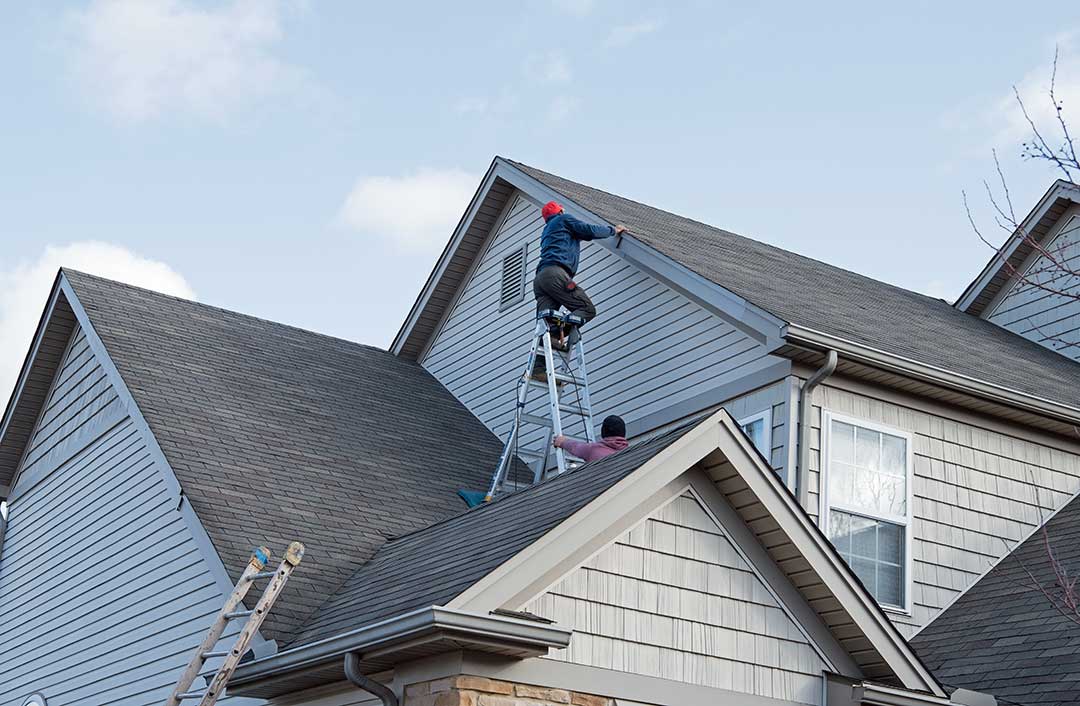
Practical prevention tips:
- Trim back any tree limbs within several feet of the roof to allow sunlight and increase airflow.
- Regularly clear gutters and remove debris from roof valleys—especially after fall leaf-drop or spring storms.
- Install zinc or copper strips near the roof ridge. Rainwater washing over these metals produces ions that naturally discourage algae and moss growth.
- Ensure attic ventilation works correctly; excess attic humidity keeps the roof surface damper, accelerating stain problems.
Simple seasonal checks—just after the last frost in spring and after leaf-fall in autumn—help catch conditions before stains start or spread.
Is Staining a Sign a Roof Needs Replacement?
Roof stains themselves rarely mean a roof must be replaced, but persistent staining can be a red flag for aging or underlying trouble.
Damaged shingles, warped decking, soft spots underfoot, or frequent ice damming in the same area may indicate it's time to inspect for broader repairs. If a roof is over 20 years old or if stains coincide with leaks or visible shingle failure, consider a comprehensive inspection, especially before winter.
Common Misconceptions About Roof Stains
Many homeowners in the community believe dark roof streaks are always related to age or dirt, but in this climate, they are usually biological growth.
Other mistaken beliefs:
- Bleach is safe for all roof cleaning—chlorine bleach can corrode metal flashing or damage fragile shingles.
- Pressure washing is effective—while it removes stains, it often shortens roof life.
- New roofs are immune—without proper maintenance, algae and moss can appear within a few years, even on new shingles.
Understanding the true source of stains helps area households choose safe, effective approaches that protect both their home investment and neighborhood appearance.
