
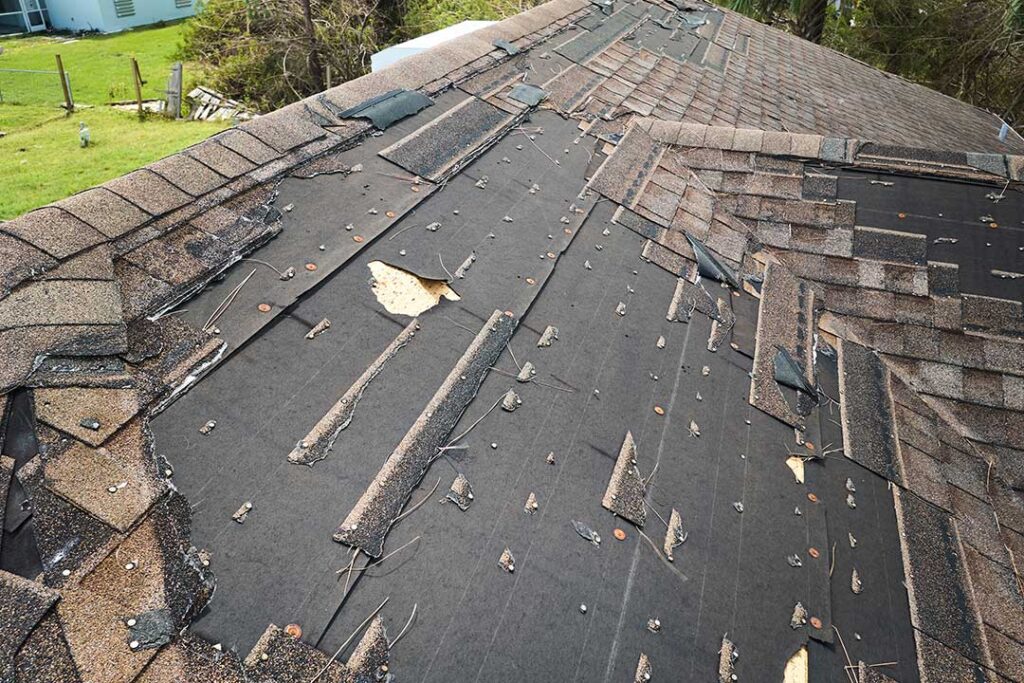
Walking on a roof is risky because roofing materials can be slippery, fragile, or steep even when the surface looks dry and stable. For most homeowners, the safest approach is to avoid climbing unless the task is minor, the roof is low and gently sloped, and proper fall protection is available.
Is it safe to walk on a roof?
It can be safe only under controlled conditions. A roof should never be treated like a normal walking surface. Shingles may loosen underfoot, metal panels can become slick, and hidden damage may not be visible from above.
Before considering access, ask:
- Is the roof dry, clean, and free of frost, moss, leaves, and loose debris?
- Is the slope low enough to maintain balance without leaning or climbing?
- Is there a safe way to reach the roof and return to the ground?
- Are there overhead wires, skylights, fragile panels, or weak roof sections?
- Can the task be completed from a ladder, window, attic, or ground level instead?
If any answer raises concern, staying off the roof is the safer choice.
Which roof conditions make walking especially dangerous?
Moisture is one of the biggest hazards. In Springville, freeze-thaw weather, spring rain, autumn leaves, and winter residue can create slippery conditions that are easy to underestimate. A roof that appears dry at ground level may still have damp areas in shaded sections.
Avoid walking on a roof during or shortly after:
- Rain, snow, sleet, or freezing temperatures
- Frost or overnight condensation
- Strong wind or gusty weather
- Heavy heat, which can soften some roofing materials
- Recent roof cleaning, coating, or repair work
- Any condition that limits visibility
Moss and algae can also conceal uneven surfaces. Even if they do not cover the entire roof, small patches may cause a sudden loss of traction.
How should a roof be inspected before stepping onto it?
Start from the ground. Look for sagging areas, missing or curled shingles, exposed underlayment, damaged flashing, loose gutters, and branches that may have struck the roof. Binoculars can often provide enough visibility for a basic inspection without climbing.
If access is still necessary, inspect the roof edge and the proposed walking route from a secure ladder position. Do not step onto areas that appear soft, discolored, bowed, or recently damaged. A roof can have concealed deterioration around chimneys, valleys, eaves, skylights, and plumbing penetrations.
Never assume that a newer-looking roof is strong enough to support a person. Roofing materials can hide damaged decking beneath them.
What footwear is safest?
Wear clean, soft-soled work shoes with good tread. Shoes should fit securely and have laces or closures that will not come loose. Avoid:
- Smooth-soled shoes
- Sandals or slippers
- Bare feet
- Wet or muddy footwear
- Shoes with deep, rigid tread that can catch on shingles
Before climbing, check the soles for mud, gravel, oil, and water. Debris stuck to footwear can reduce traction and damage shingles.
Where should a person place each step?
Step on the stronger portions of the roof rather than directly on exposed edges, damaged shingles, or loose materials. On asphalt shingle roofs, place feet near the lower portion of the shingle where it overlaps the course below, while avoiding direct pressure on the tabs. Move slowly and keep steps deliberate.
Do not step on:
- Skylights, even if they appear solid
- Plastic roof vents
- Damaged or sagging sections
- Gutter edges
- Flashing
- Ridge caps unless the roof system is designed for foot traffic
- Areas covered by snow, ice, or loose leaves
Keep your body facing the roof surface when possible. Sideways movement and sudden twisting make it easier to lose balance.
How can balance be maintained on a roof?
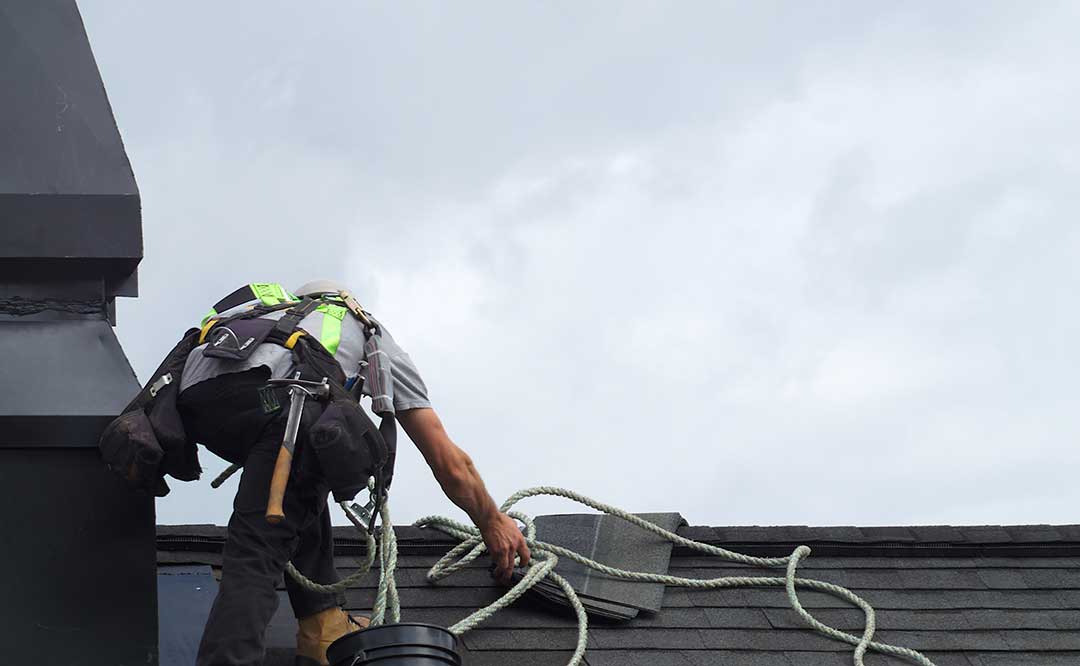
Keep three points of contact with the roof, ladder, or approved support whenever possible. Move one hand or foot at a time, and avoid carrying tools in both hands. A tool belt can keep hands available, but it should not be overloaded or allowed to shift your balance.
Stay low on a sloped roof. Bending slightly at the knees can improve stability, but crawling or sliding can damage roofing materials and still does not prevent a fall. Do not rush to retrieve a dropped tool. Climbing down safely is more important than saving equipment.
Never work alone on a roof. Someone on the ground should know where the person is, monitor the ladder, and have a way to call for help. A spotter cannot stop a fall, but can identify changing weather or unsafe movement.
What ladder practices reduce the risk?
A ladder must stand on firm, level ground and extend above the roof edge enough to provide a secure handhold during transition. It should be positioned according to the manufacturer’s instructions and tied or otherwise secured so it cannot slide sideways or away from the wall.
Climbing onto or off a roof is often more dangerous than walking across it. Face the ladder, keep both hands available, and maintain three points of contact. Do not carry buckets, tools, or loose materials while climbing.
Never place a ladder on ice, snow, wet grass, unstable soil, boxes, or other improvised supports. Keep the ladder away from overhead electrical lines and do not use metal ladders near electrical equipment.
Do fall-protection harnesses make roof walking safe?
A harness can reduce the consequences of a fall, but it does not automatically make roof work safe. Fall protection must be connected to a properly rated anchor and used with compatible equipment. An incorrectly installed anchor, loose rope, or unsuitable attachment point may provide a false sense of security.
Temporary anchors should not be attached to gutters, vents, chimneys, decorative trim, or other components that were not designed for fall protection. Setting up a safe system may require specialized knowledge, especially on steep, older, or irregular roofs.
A harness also does not prevent slips, swinging falls, damaged roofing, or unsafe ladder transitions. It is one part of a complete safety system, not a substitute for planning.
When should a homeowner stay off the roof?
Do not walk on the roof if it is steep, wet, icy, snow-covered, structurally damaged, or difficult to access. Avoid climbing near power lines, during high winds, or when the roof includes fragile materials such as aging panels, brittle skylights, or deteriorated decking.
Professional help may be necessary when the task involves suspected structural damage, fall-protection equipment, chimney work, steep-slope access, or repairs beyond a simple visual check. Safety requirements also matter for any work that could affect neighboring property, shared structures, or local building compliance.
For many routine tasks, safer alternatives include using binoculars, inspecting from an attic, checking the ground around downspouts, or observing the roof from a properly positioned ladder without stepping onto the roof. A roof does not need to be walked on for every inspection, and avoiding unnecessary foot traffic can help preserve roofing materials.
